 English
 العربية
 中文语言
中文语言
 русский язык
 Le français
 Española
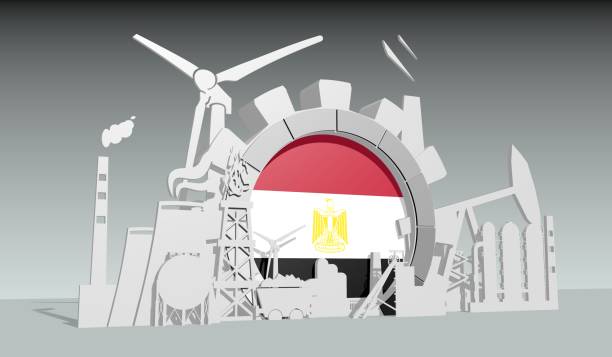
The transition to renewable energy has evolved from an environmental initiative into a critical legal and economic mandate driven by global market and sustainability requirements. Securing energy supplies, mitigating carbon emissions, and boosting national competitiveness require a fundamental restructuring of energy laws. These legislative overhauls are essential to mobilizing private-sector capital and boosting foreign direct investment (FDI).
In this context, the Egyptian lawmaker restructured the legal framework governing the power market. This architecture is built on market liberalization, the unbundling of generation, transmission, and distribution assets, and the establishment of a competitive arena governed by independent, specialized regulators. This strategy is anchored by Electricity Law 87 of 2015, which regulates the competitive power market and authorizes private generation and supply. Combined with the financial incentives of Investment Law 72 of 2017, these statutes structurally elevate Egypt’s sector attractiveness.
Analyzing Egypt's renewable energy framework requires evaluating the relationship between public-law licensing regulations and private-law contracts and financing mechanisms. This structural convergence defines the specialized legal nature of such projects, reinforcing their position as premium assets for strategic international capital allocation.
Renewable energy refers to those natural forms of energy that are inexhaustible and can be used to generate electricity.
Types of Renewable Energy:
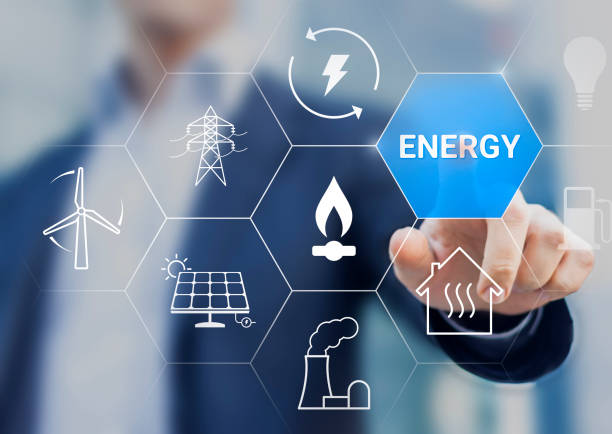
Renewable energy sources differ substantially based on their distinct technical and operational characteristics, which primarily include:
1. Solar energy, which relies on converting solar radiation into electrical energy using photovoltaic cells or concentrated solar power systems, is one of the most widespread sources in Egypt due to the country’s geographical location.
2. Wind energy, which harnesses wind power to drive turbines and generate electricity, is particularly efficient in coastal and desert regions.
3. Hydropower, which is generated by harnessing the movement of water and dams to produce electricity, is one of the oldest sources of clean energy.
4. Green hydrogen, which is produced through the electrolysis of water using renewable energy, is considered one of the most important areas for future investment, given its industrial and export applications.
5. Biomass, which involves converting organic waste into energy, whether thermal or electrical.
Laws Governing Renewable Energy Projects in Egypt:
The renewable energy industry serves as a primary vehicle for realizing sustainable development doctrines, requiring public authorities to safeguard and strategically utilize national assets. The statutory regulation of this sector has been codified via:
- Electricity Law 87 of 2015.
- Investment Law 72 of 2017.
- Regulations and regulatory decisions issued by the Egyptian Electricity Regulatory Authority (EGYPT ERA).
Statutory Nature of Renewable Energy Projects:
Activities in renewable energy projects fall into three main categories, each with its own distinct legal and procedural characteristics:
1. Production for sale to the Egyptian Electricity Transmission Company.
This activity is governed by specialized Power Purchase Agreements (PPAs), which codify detailed bilateral obligations, energy pricing structures, and mandatory sovereign guarantees designed to de-risk and protect investor capital.
2. Self-consumption Scheme
This framework governs power projects that generate energy strictly for localized self-consumption without grid feed-in, and is subject to:
- Technical and regulatory requirements issued by the Egyptian Electricity Regulatory Authority (EGYPT ERA).
- Investor’s adherence to obtain a licence or submit a notification, depending on the project’s production capacity.
3. Private Sector Developments Structured under Build-Own-Operate (BOO) Frameworks or Independent Power Producer (IPP) Schemes.
The project is fully capitalized and executed by the investor, with generated electricity sold under long-term PPAs to designated off-takers. This structure yields robust legal protections, including secure asset ownership rights, access to international arbitration mechanisms, and comprehensive force majeure relief clauses.
Licensing Procedures and Regulatory Approvals:
Renewable energy projects are subject to a series of procedures, the most important of which are:
1. Obtaining preliminary approval from the New and Renewable Energy Authority.
2. Obtaining approval from the ERA.
3. Grid connection studies by the Egyptian Electricity Transmission Company.
4. Environmental licences in accordance with the Environment Law.
5. Allocation of land via long-term usufruct (Right of Use) schemes.
The procedures vary depending on the nature of the project (grid-connected, self-consumption, or within another economic zone).
Renewable Energy as a Catalyst for FDI:
The Benban Solar Park serves as a benchmark for international infrastructure finance, while the rapid expansion of green hydrogen projects within the Suez Canal Economic Zone (SCZONE) underscores Egypt’s strategic pivot toward clean energy export.
This alignment solidifies Egypt’s adherence to international climate agreements, establishing a highly predictable policy and statutory landscape that de-risks long-term institutional capital commitments.
In conclusion, this overview demonstrates that Egypt's renewable energy sector is anchored by a comprehensive legislative and regulatory framework designed to carefully balance public interest safeguards with robust investor rights.
Sadany & Partners Law Firm delivers critical structural and regulatory counsel to clean energy investors, expertly guiding companies through the following operational phases:
- Ensuring absolute compliance with the statutory mandates of the Egyptian Electric Utility and Consumer Protection Regulatory Agency (EgyptERA) and all national grid connection regulations.
- Drafting PPAs and safeguarding investors’ rights.
- Streamlining the procedures for obtaining the necessary permits and licences, including the Golden Licence and environmental and financial approvals.
- Securing project financing and structuring corporate transactions to guarantee long-term legal, regulatory, and investment stability.
The synergy between Egypt's state-regulated legal framework and the specialized advisory support of Sadany & Partners Law Firm serves as a cornerstone for a secure, high-yield investment environment. This collaboration effectively de-risks capital deployment, strengthening Egypt’s position as a premier, strategic renewable energy hub on both regional and international scales.
RELATED POSTS